
Posted July 27, 2026 by Kelly Tuttle, Manuscript Data Curation Fellow
It is summer, the time to go through backlogs and uncataloged collections to find items to add to DS. Right now, many new items are being cataloged or having their data organized so that they can be ingested into DS for researchers and other curious people to look at. This month, let’s look at something that will be coming to DS soon from the Eastman School of Music at the University of Rochester.
The University of Rochester already has just over 100 items in the DS catalog, but they have all been from the River Campus Library. The items that will be added now are coming primarily from the Sibley Music Library (SML).
The collection we will look at today is the Oskar Fleischer Collection, which preserves nearly one hundred items that trace the history of musical notation over some six centuries. The collection is mostly individual leaves and fragments from graduals, antiphonaries, missals, and other liturgical manuscripts that demonstrate the rich and varied traditions of medieval music writing. Most of the fragments have been digitized and contain some descriptive information, but many are missing dates and places of production. The collection contains both manuscript and print materials, though of course only the manuscript fragments will be added to DS.
The collection came to the SML in 1929 when it was purchased by Barbara Duncan, the library’s first director. According to library records, she “attended the June 1929 sale at the behest of SML founder Hiram Watson Sibley, who reportedly told her to ‘buy something we can talk about.’” She bought numerous items, among them an early music manuscript now known as the Rochester Codex and this collection of “several dozen individual leaves from medieval and renaissance manuscripts that had been collected by the German musicologist Oskar Fleischer (1856–1933) in the course of his research on the development of western European music notation systems.” The 1929 sale was the second part of a two-part sale of the personal library of Werner Wolffheim (1877-1930), who had an extensive collection of music manuscripts.
Since Fleischer was interested in the history of musical notation, and in particular the idea of the neume (early musical notation), the leaves showcase a variety of different styles of notation, staff line usage, and page layout.
For staffs, there are line styles ranging from no lines at all to five lines. See images 1 to 4 below.
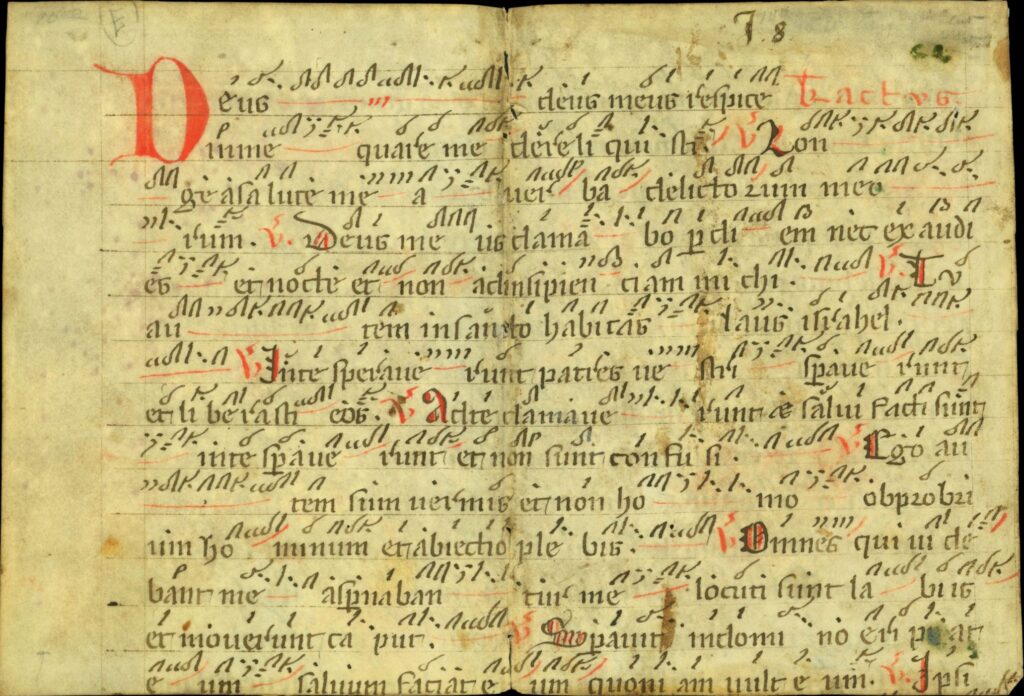
Image 1: Folder 64 recto. No separate line for the music and the notations are somewhat integrated with the text. Select the link to enlarge.

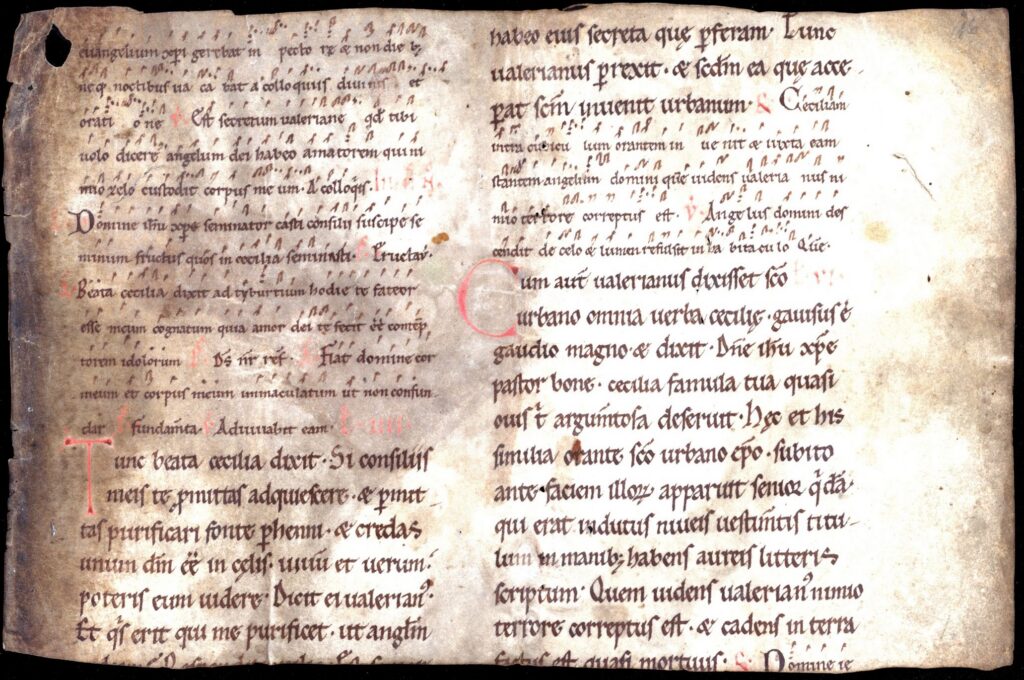
Image 2: Folder 2 recto. Still no lines, but the notations create their own line above the line of text, which is written smaller to allow room. Select the link to enlarge.
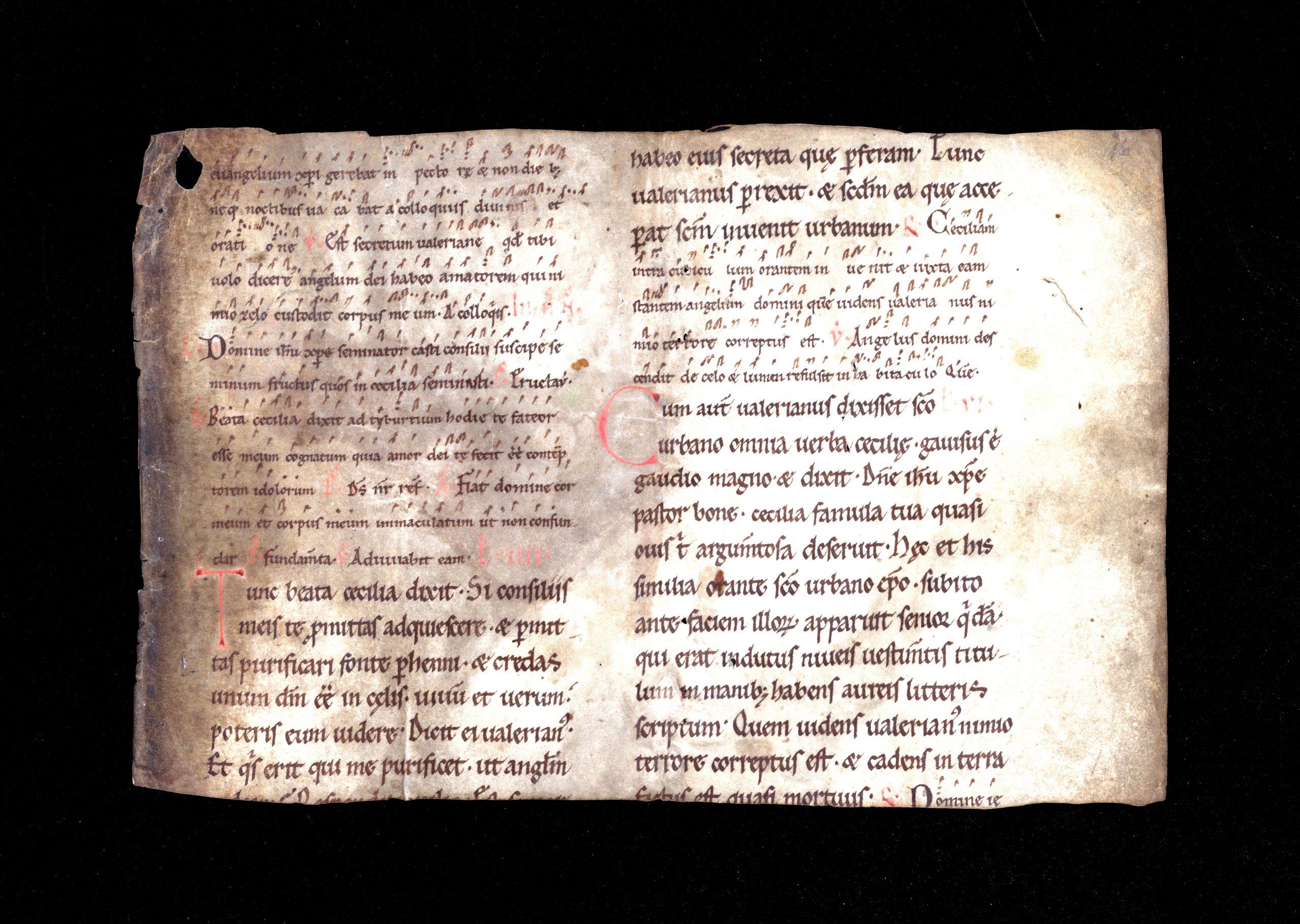
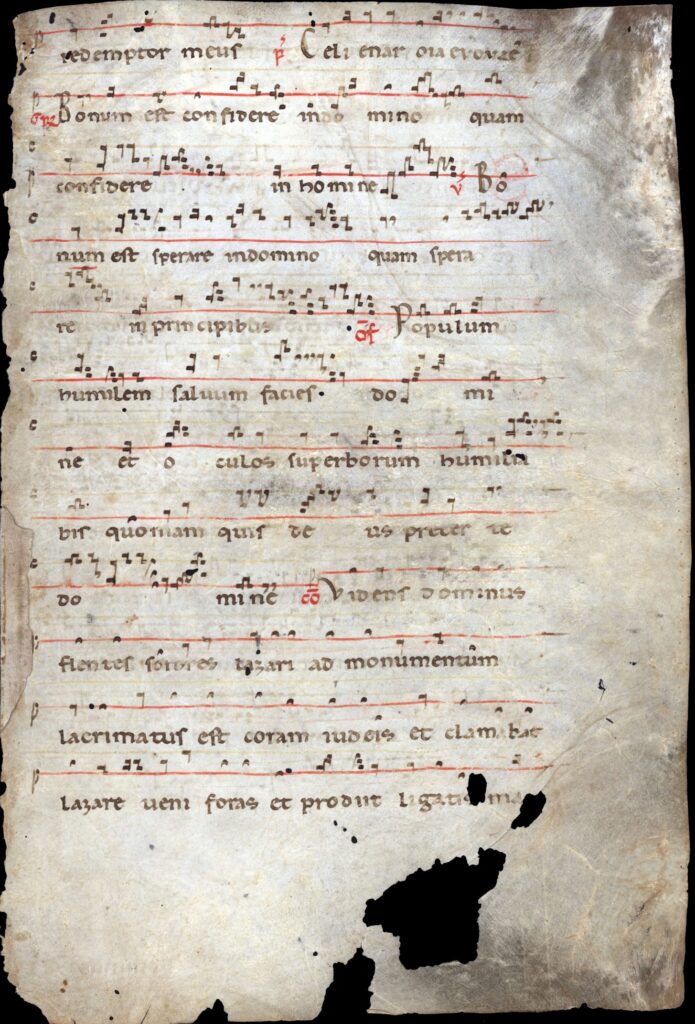
Image 3: Folder 16 recto. One line in red for the musical notations. It looks like there may be another line in yellow. In that case, the red line would traditionally be the F-line and yellow the C-line. Select the link to enlarge.
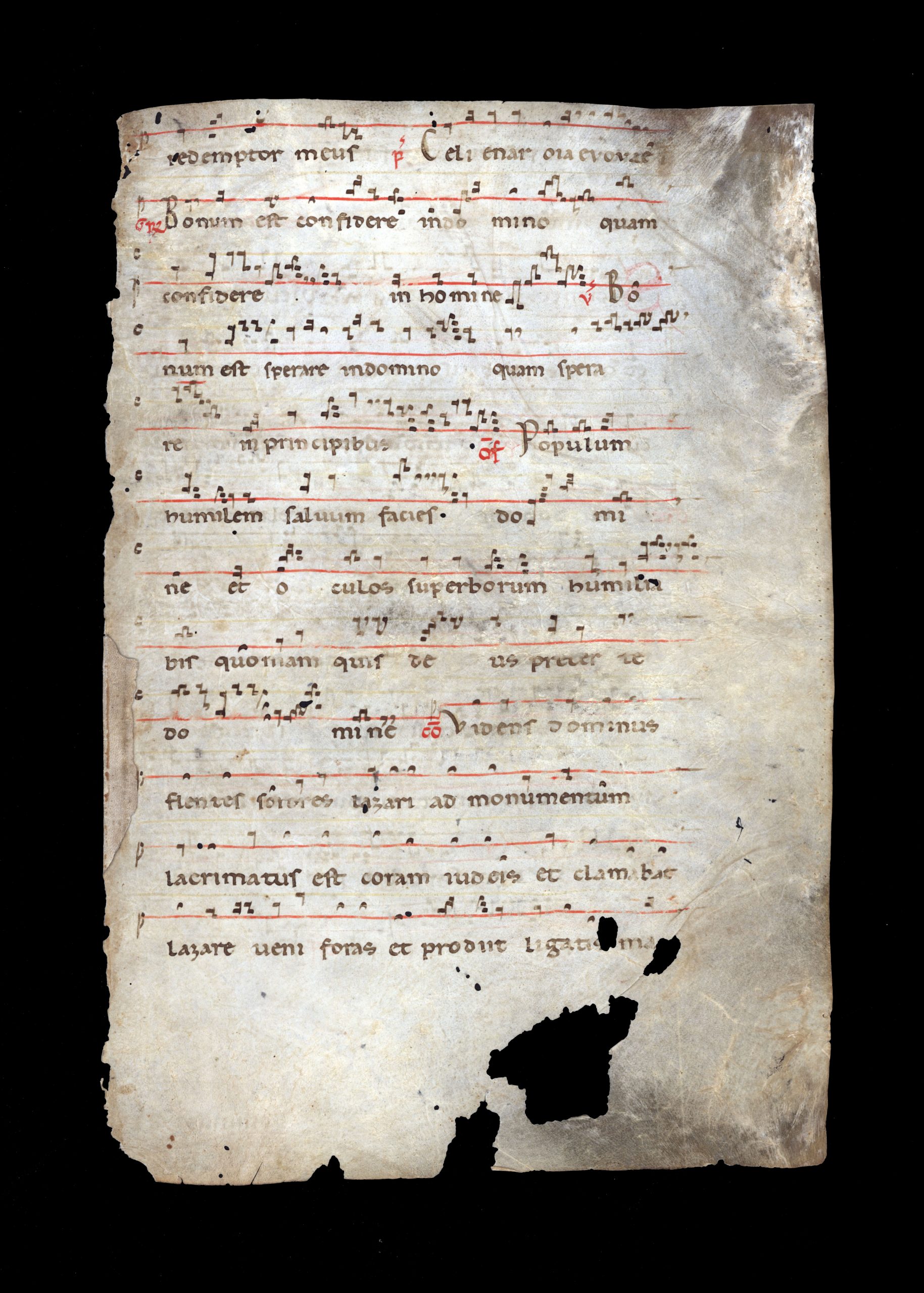
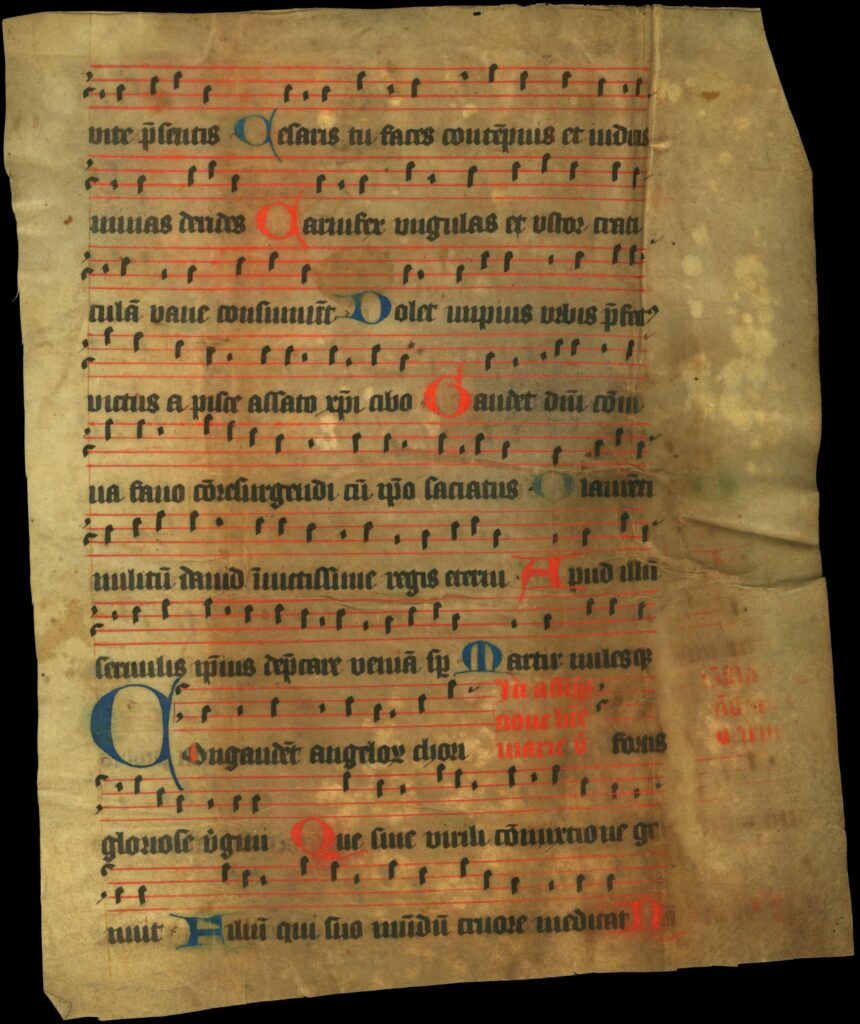
Image 4: Folder 41 recto. Four-line staff in red. This is the most common of the examples in this collection. Also note the incredible brightness of this red ink; it almost glows. Select the link to enlarge.

Below are 5 examples of the variety of notation present in the collection. There are likely more varieties than this present in the collection, as well as nuances of similar notation styles that are lost on nonexperts.
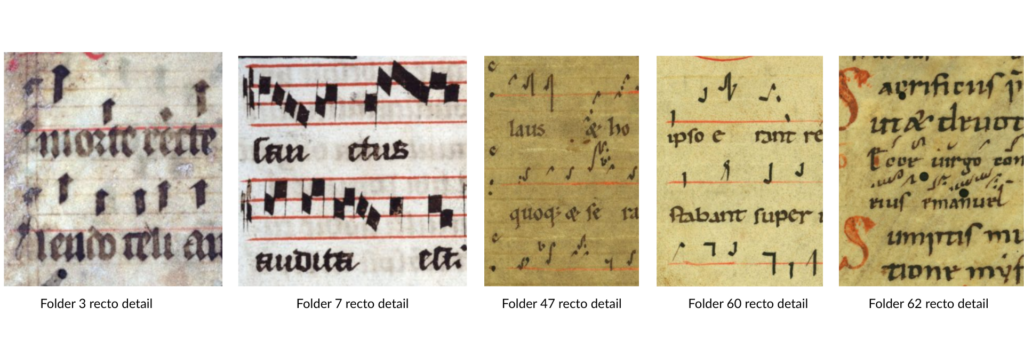
Image 5: Details of some of the types of notation in the collection.
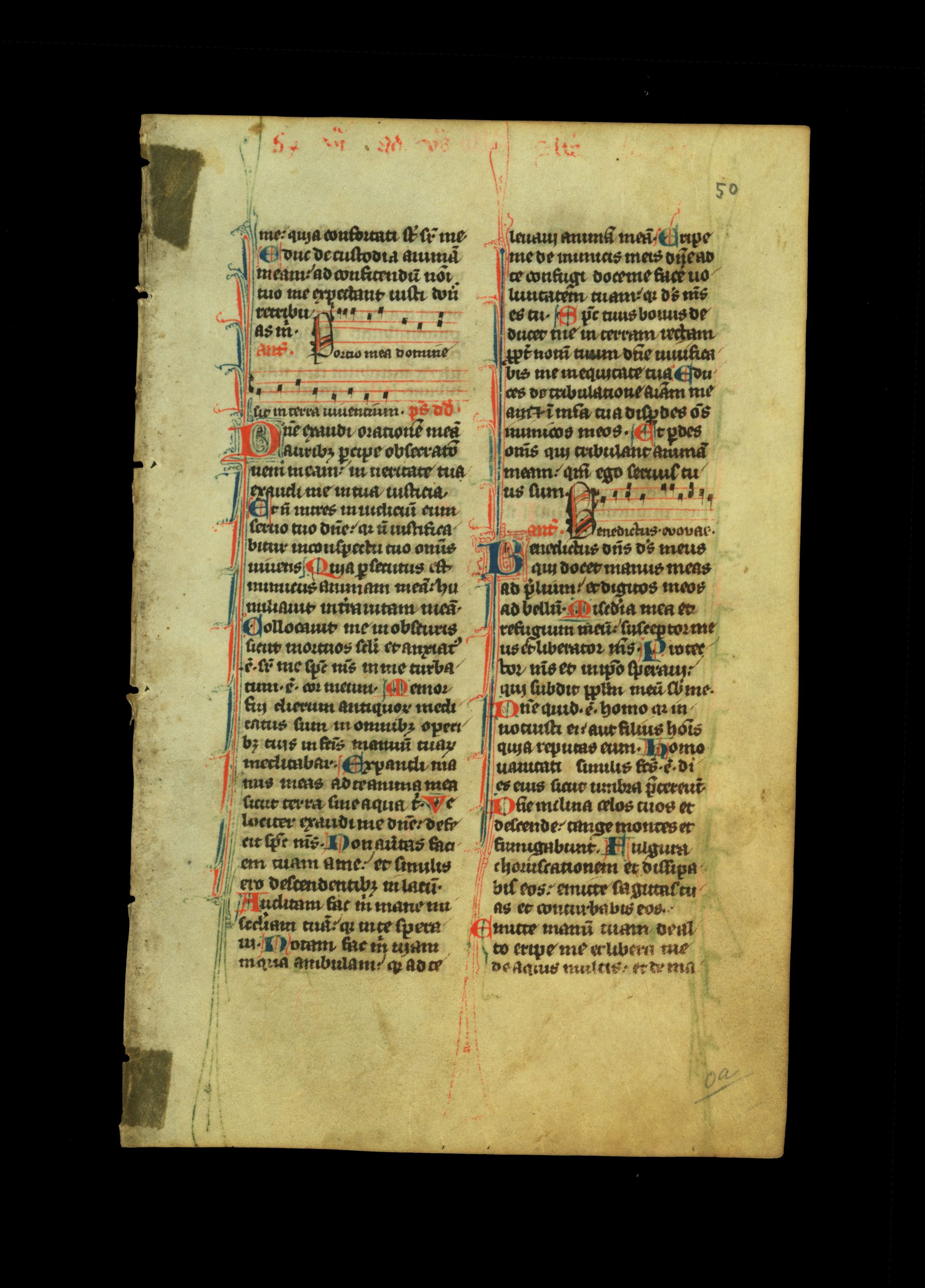
Finally, there are different layouts on the page and different uses of space represented in the leaves. Most of the leaves have initials and rubrics in another color and some have decorated initials with penwork ornamentation or gold. Two examples are below.
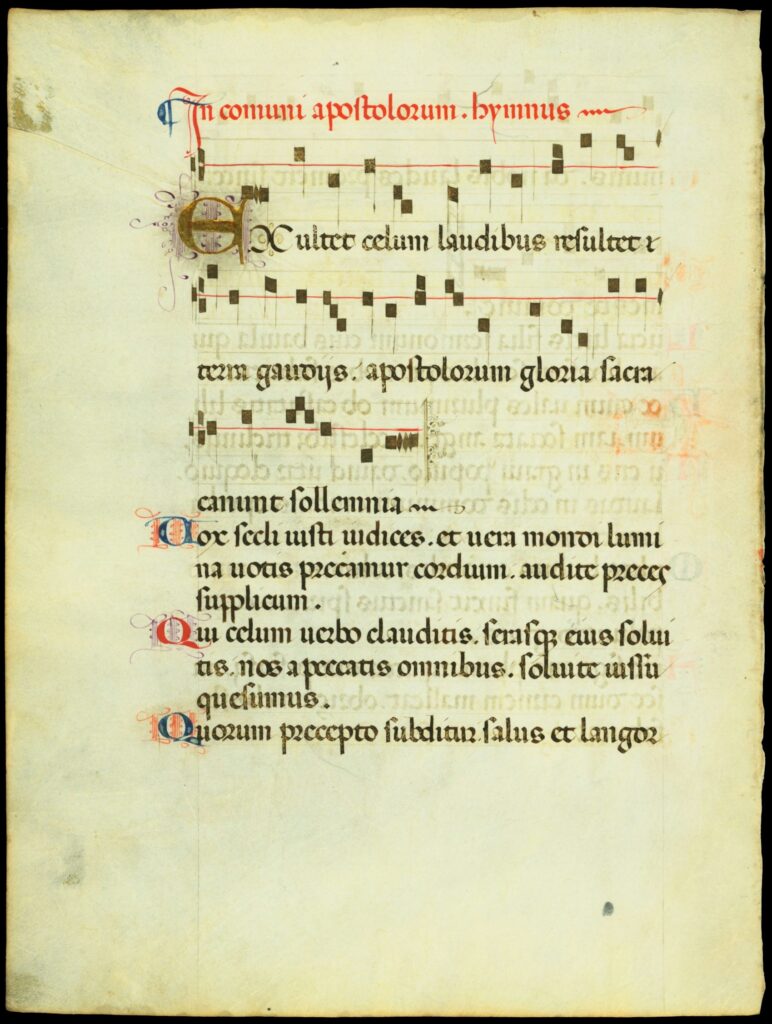
Image 6: Folder 58 verso. The larger initial “E” on this page is gold with purple penwork ornamentation. Note also how widely spaced the layout is on the page and how much blank space is left, particularly in the lower margin. Select the link to view larger and zoom in on the letter.
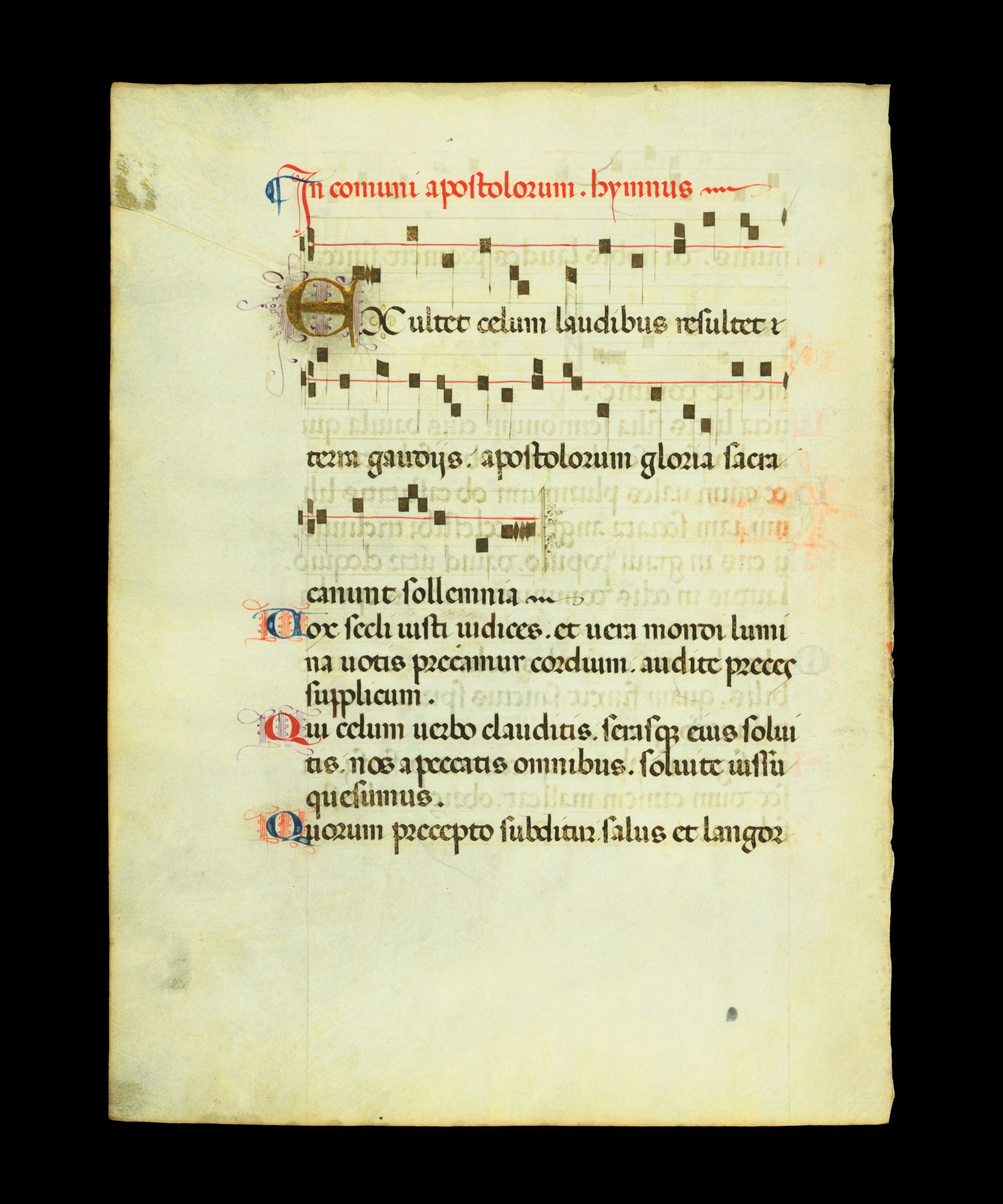
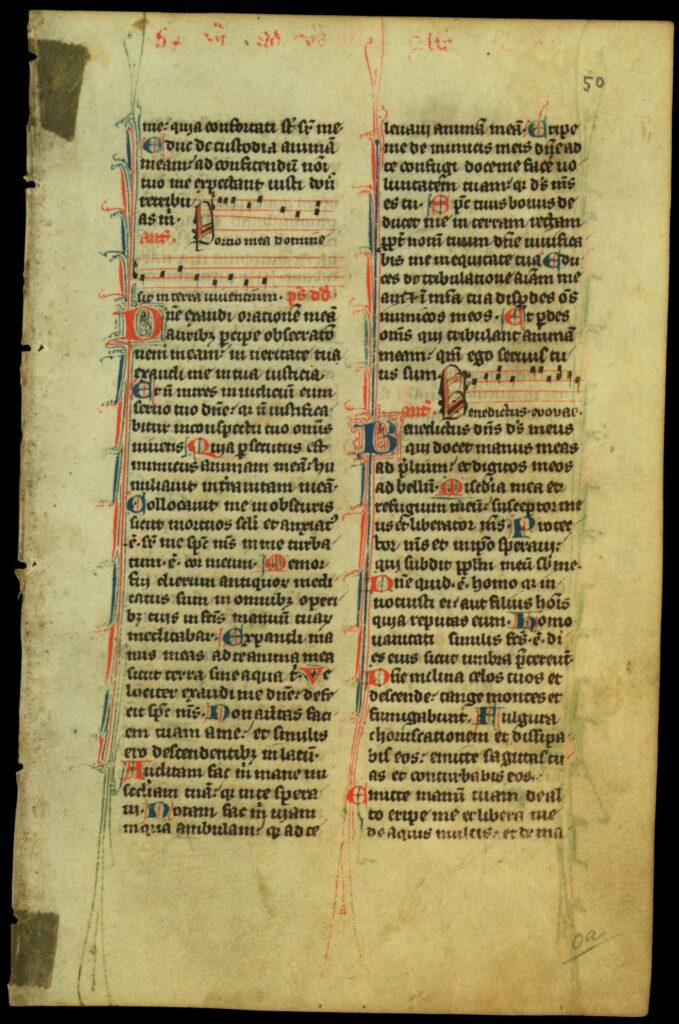
Image 7: Folder 67 recto. In this one, the layout is much tighter and is divided into two columns with music on staves appearing embedded in the text. Note the red and blue decorations extending away from the larger initials in both columns. Select the link to view larger and see detail.
This collection seems like it could be useful for people trying to learn about the differences in early medieval musical notation. However, there are still numerous blanks in the records that it would be nice to be able to fill. This is where the broader manuscript community with knowledge of early European music can help. Fresh eyes can make new discoveries. If you recognize a script, can identify a textual source or genre, or have thoughts about where or when one of these fragments was written, we would love to hear from you. You can add observations directly in this spreadsheet. The date/place/script and new contributor notes fields are all editable. If you add something, please include your name in the Contributor name column. The PDF catalog for the collection with the information that is currently available can be opened here. The digital collection can be found here. Not all of the leaves have been photographed, so those that have no images available have been grayed out.
Any help with locating these leaves in time and space would be helpful. Thank you!
Further Reading:
Yonatan Turgeman, Oskar Fleischer and the rise of Jewish musicology, The Musical Quarterly, 2026;, gdag006, https://doi.org/10.1093/musqtl/gdag006